


Fleece Cat Outfit, Coat and Hooded Suit Options
14:29#White Suit;5:200025004#3XL
- Free worldwide shipping
- In Stock & Ready to Ship
30 Day Returns
- En stock

Choose a cat outfit by fit rather than appearance alone
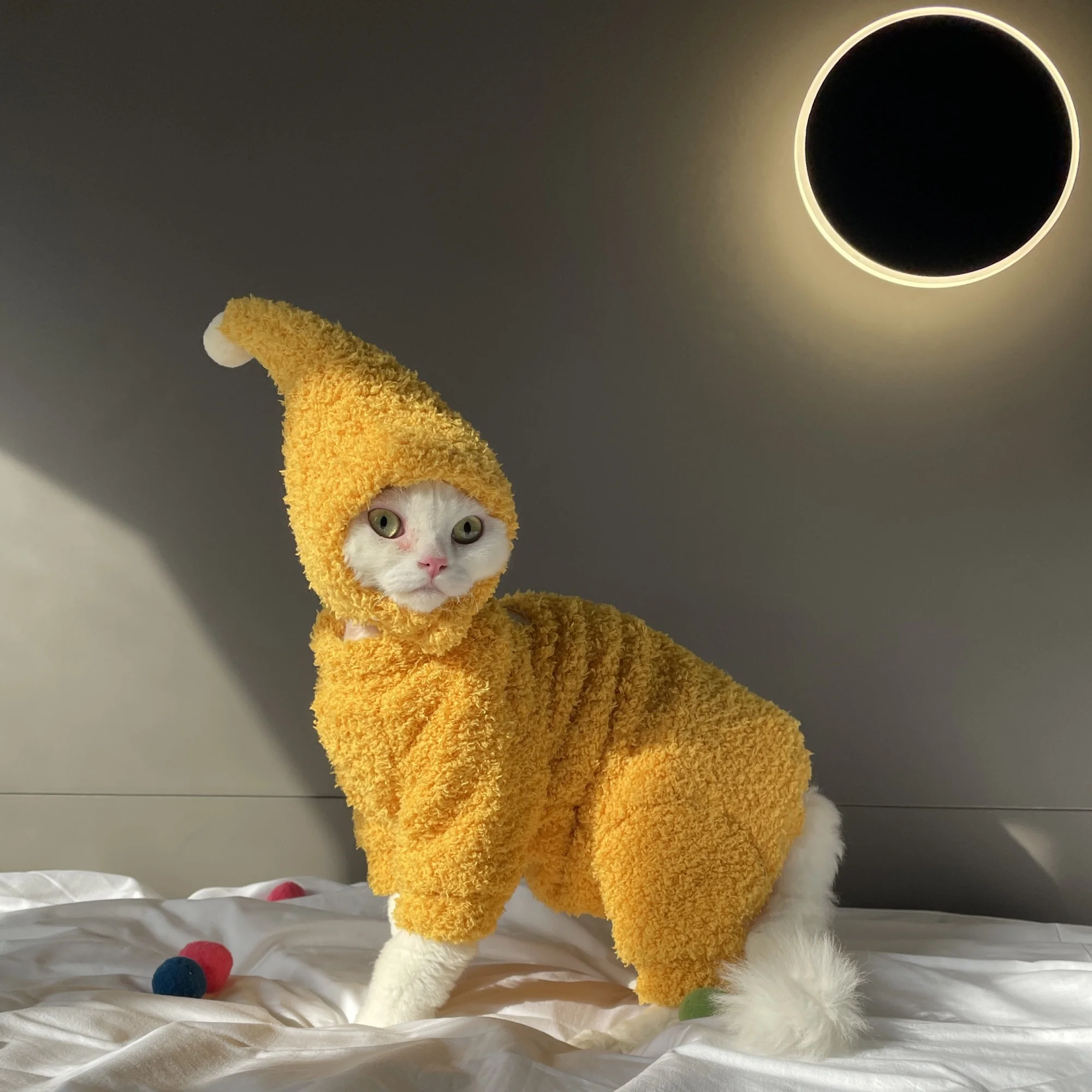
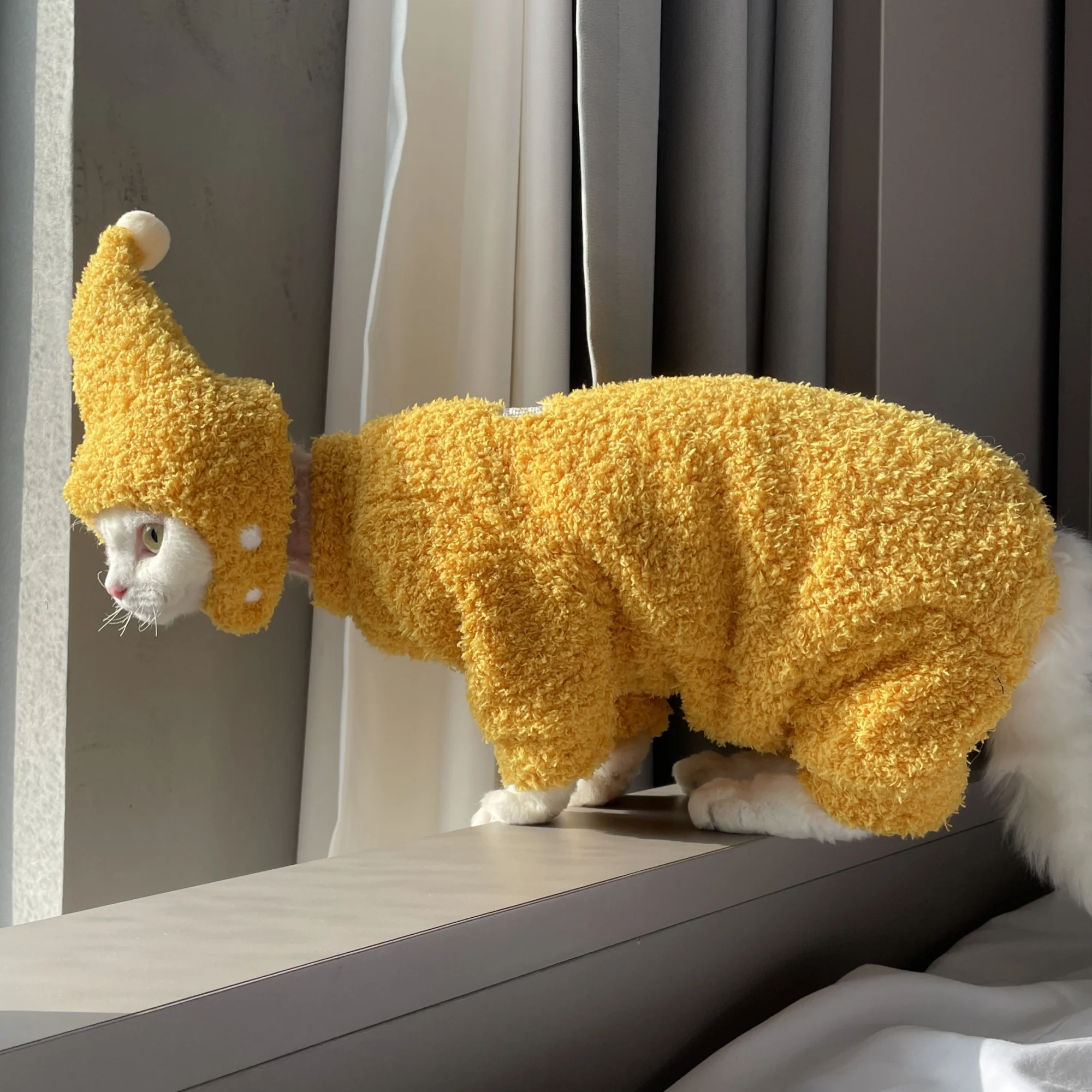
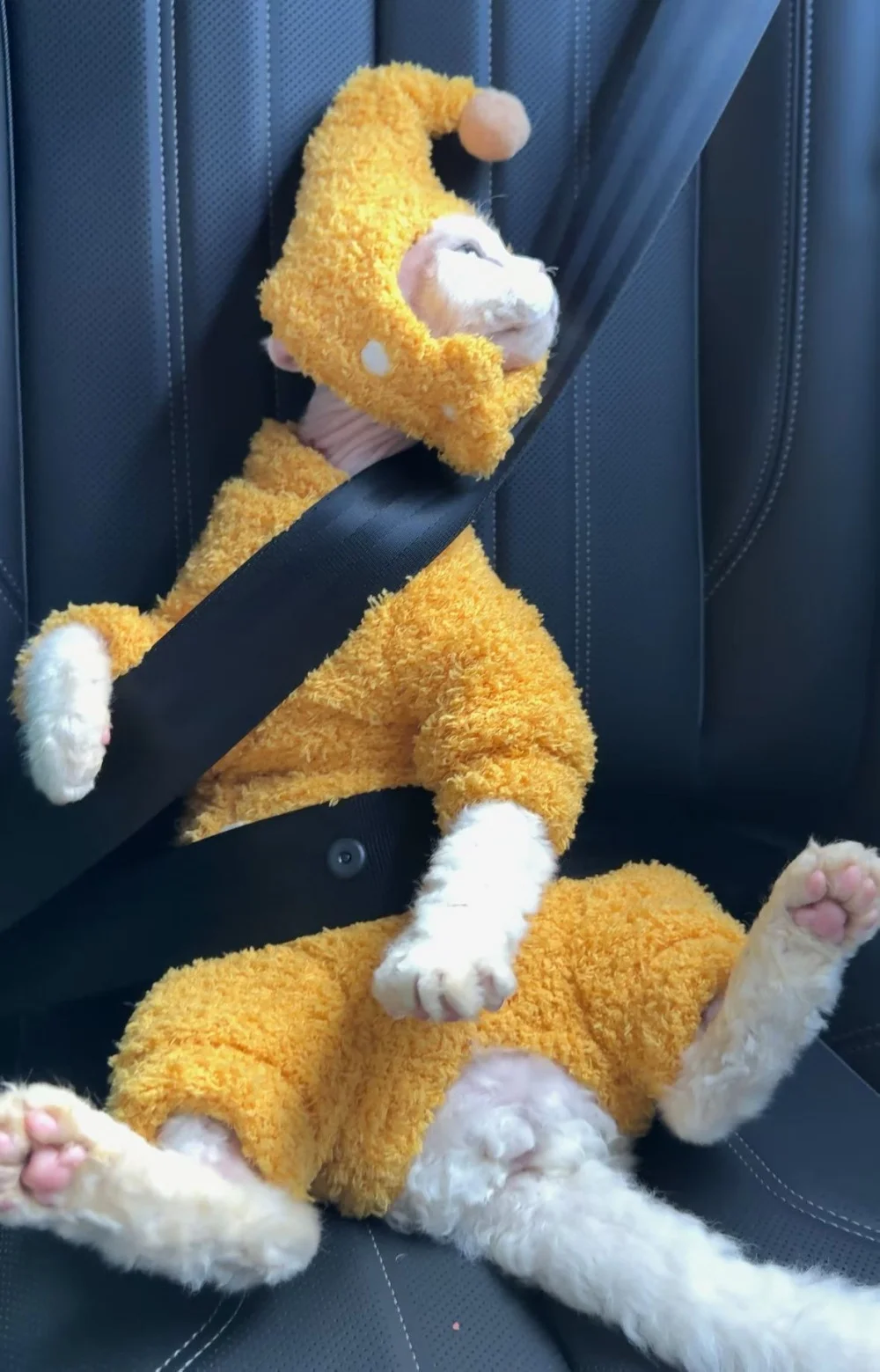
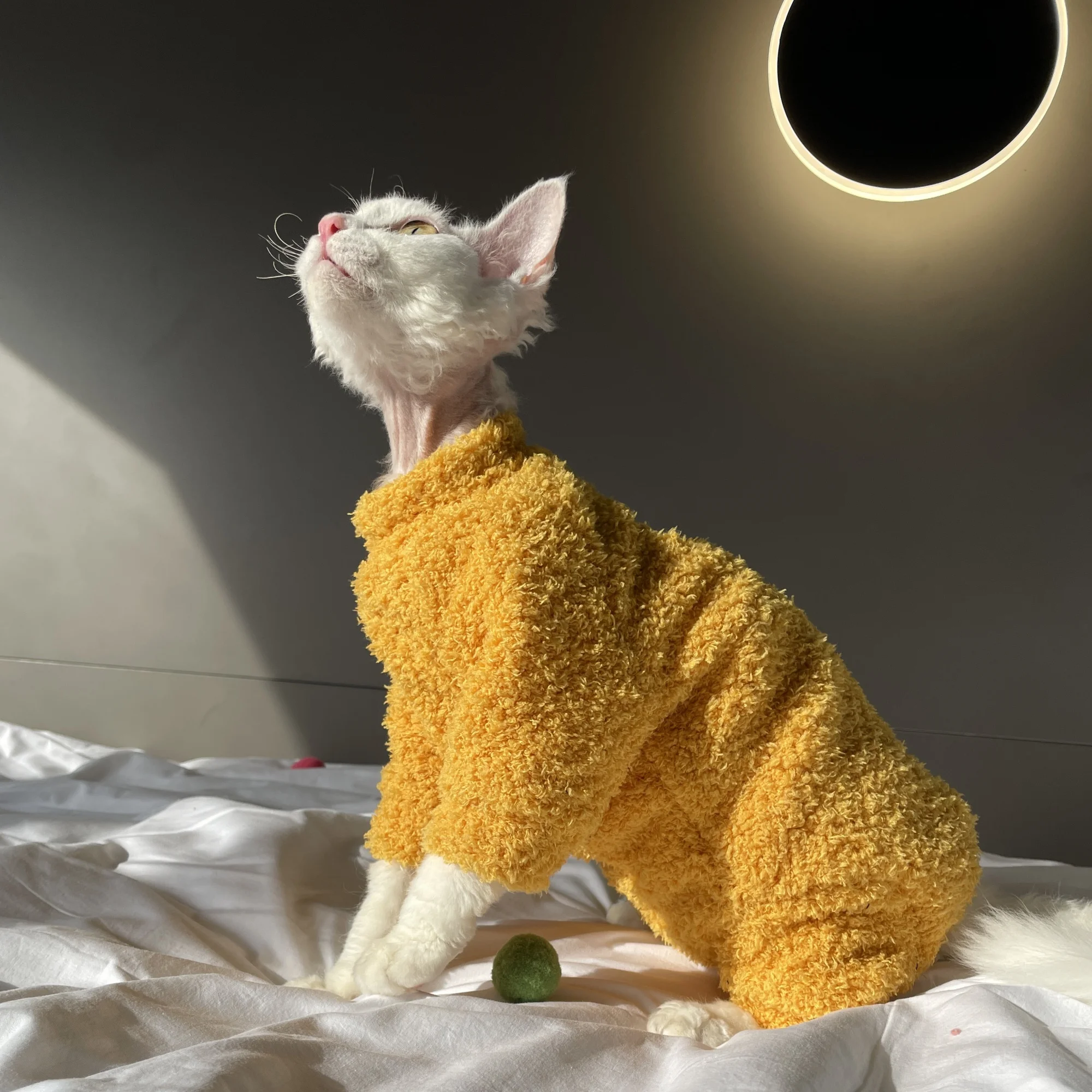
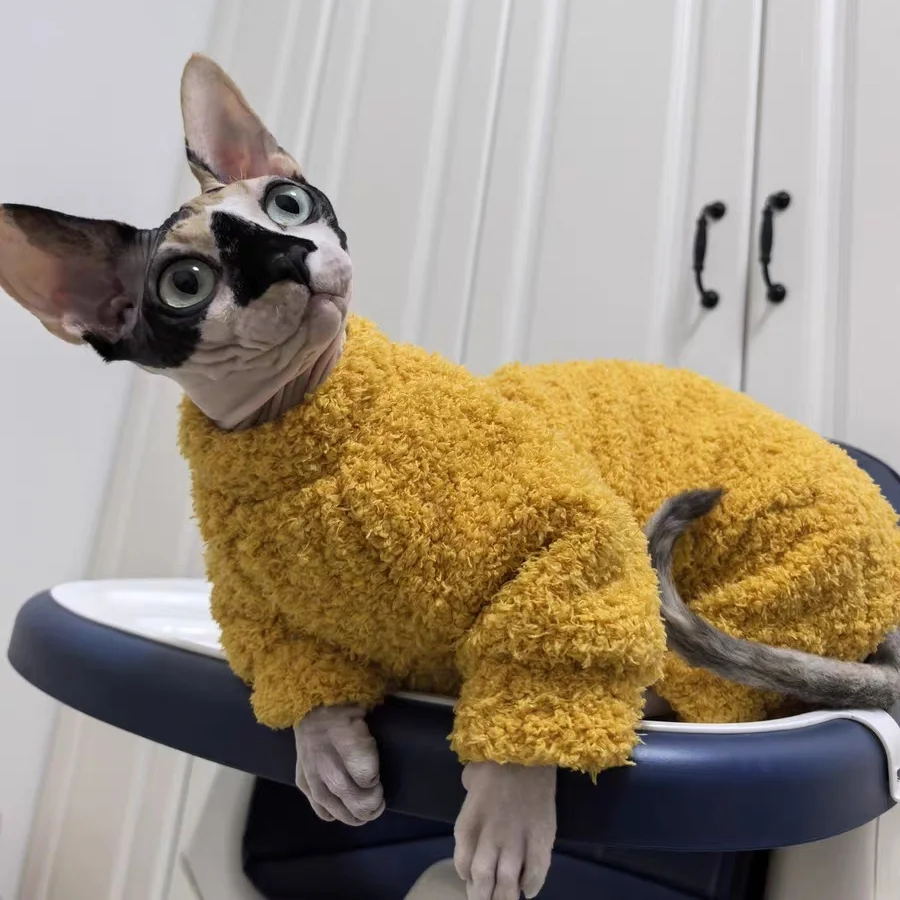
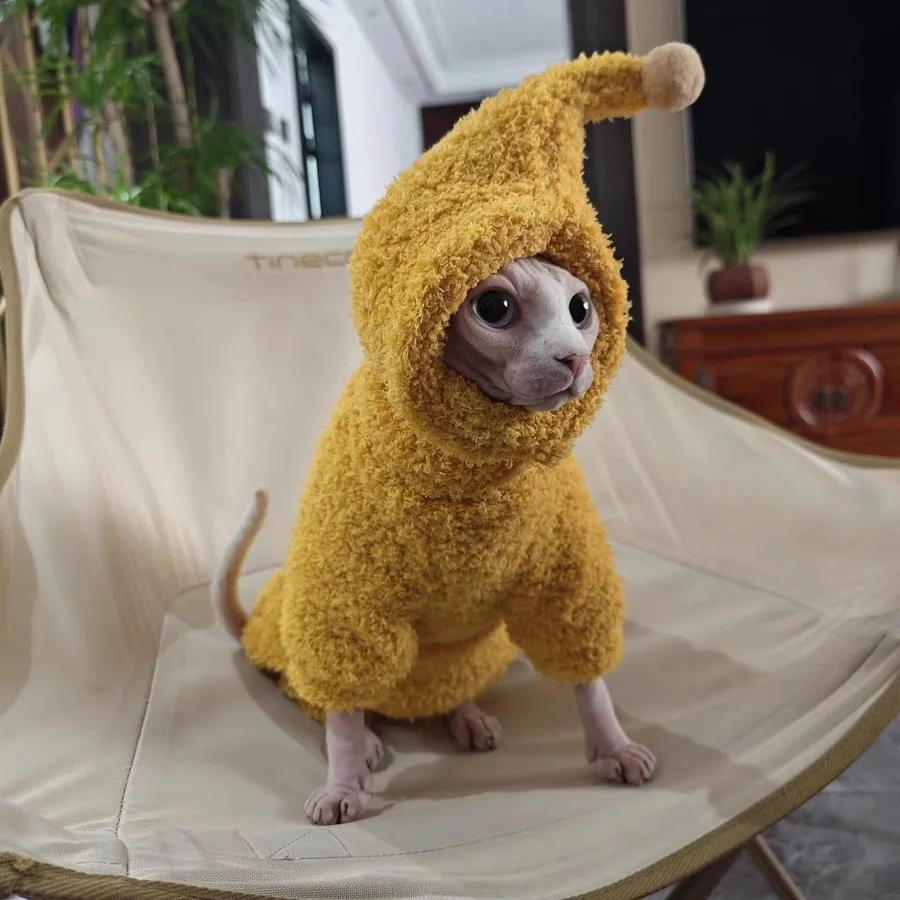
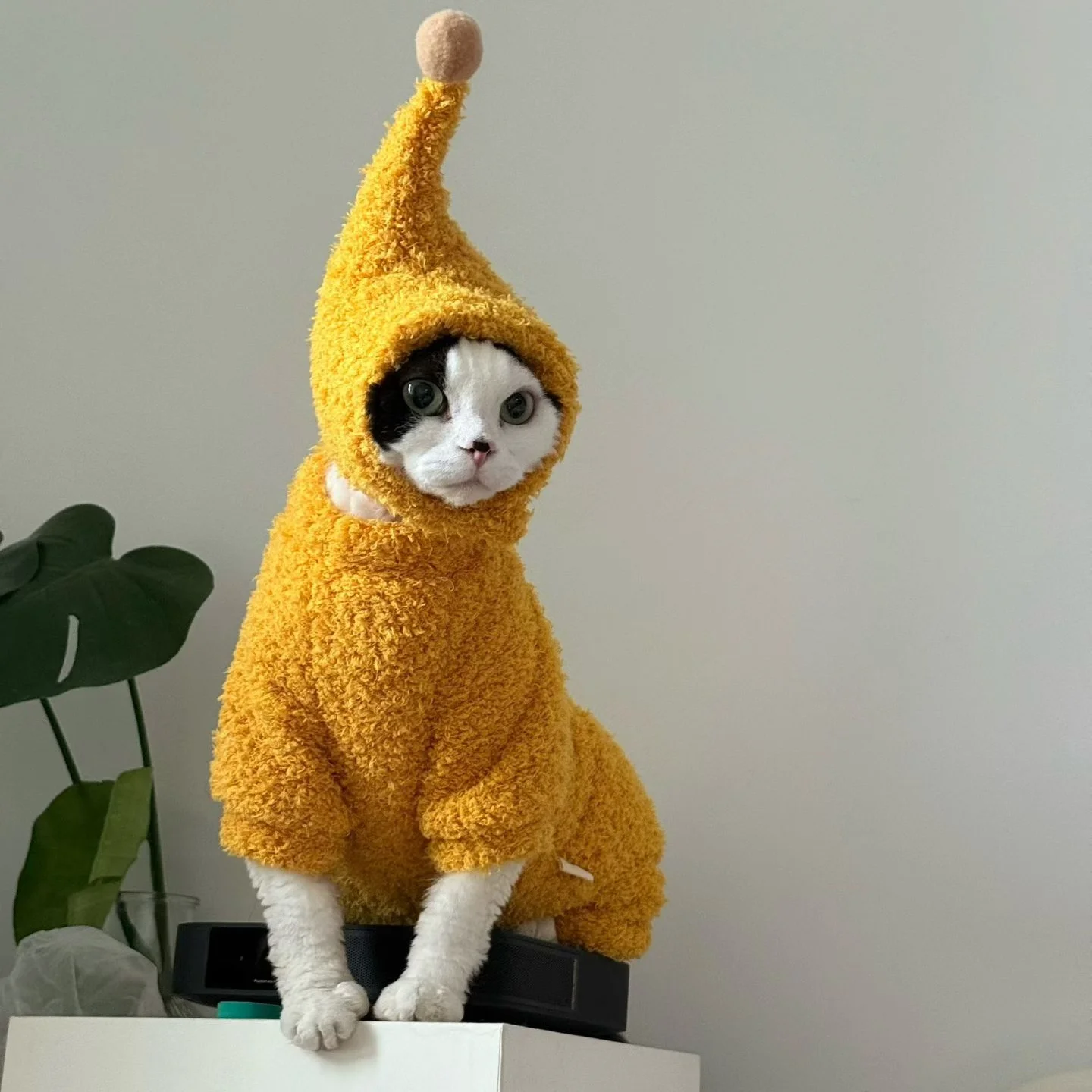
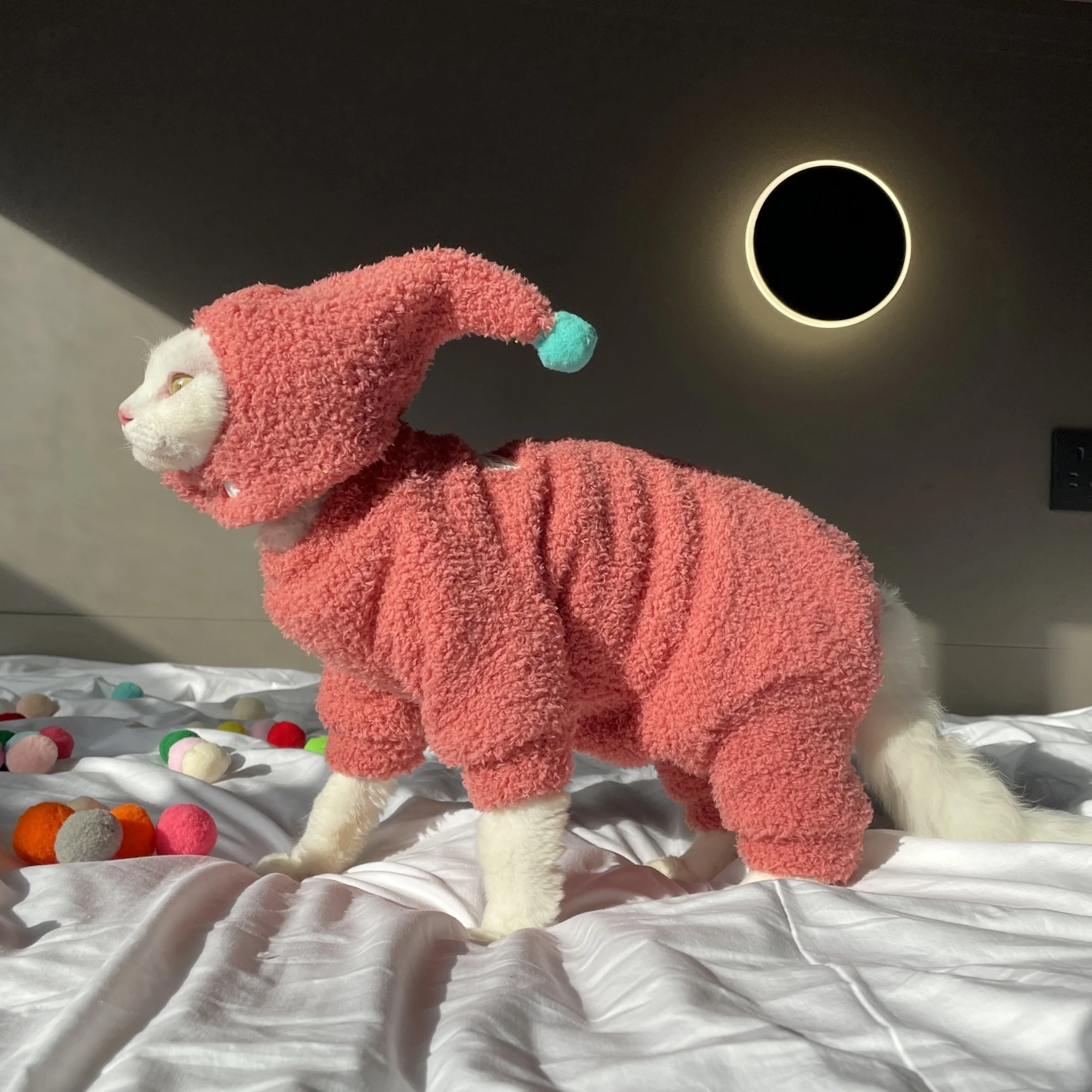
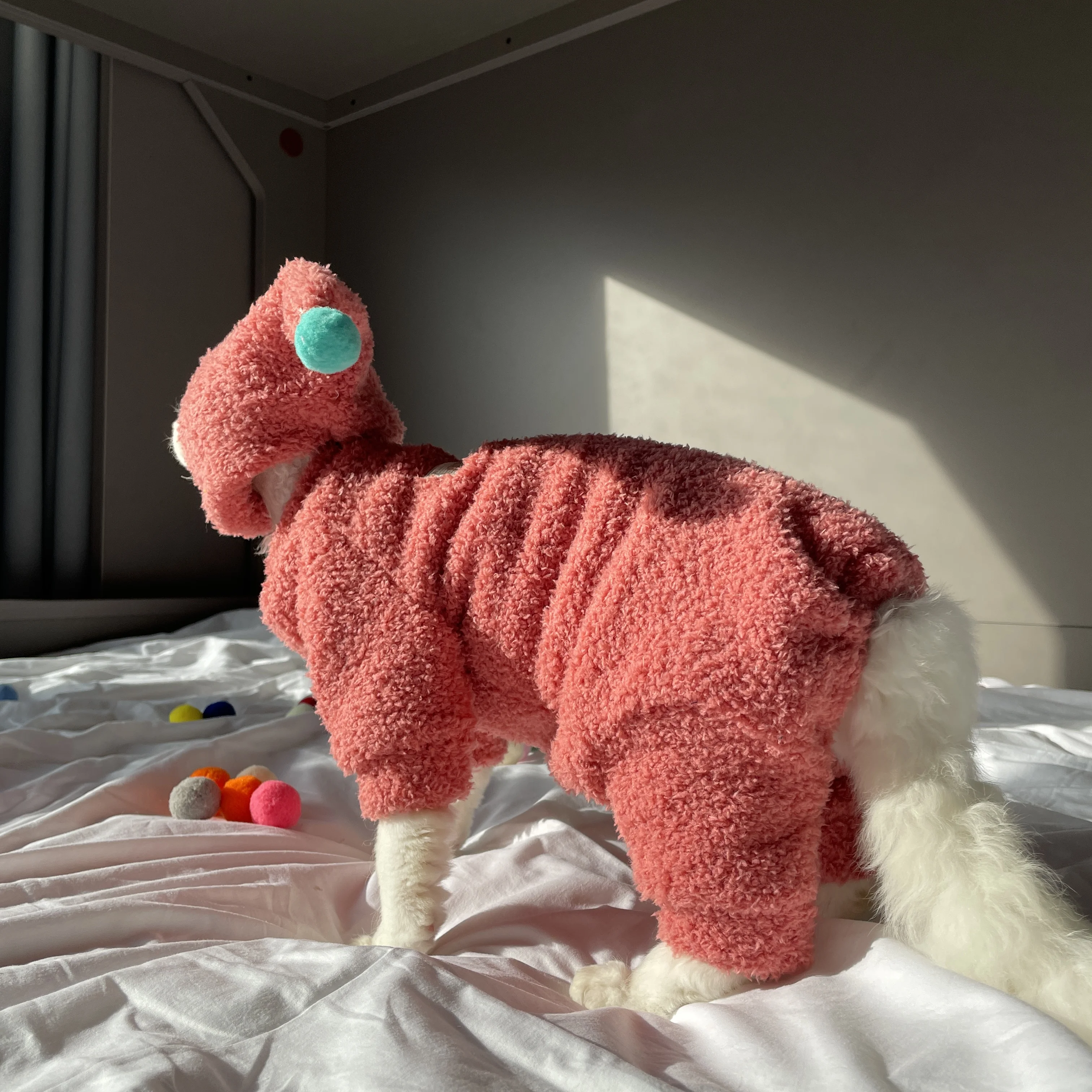
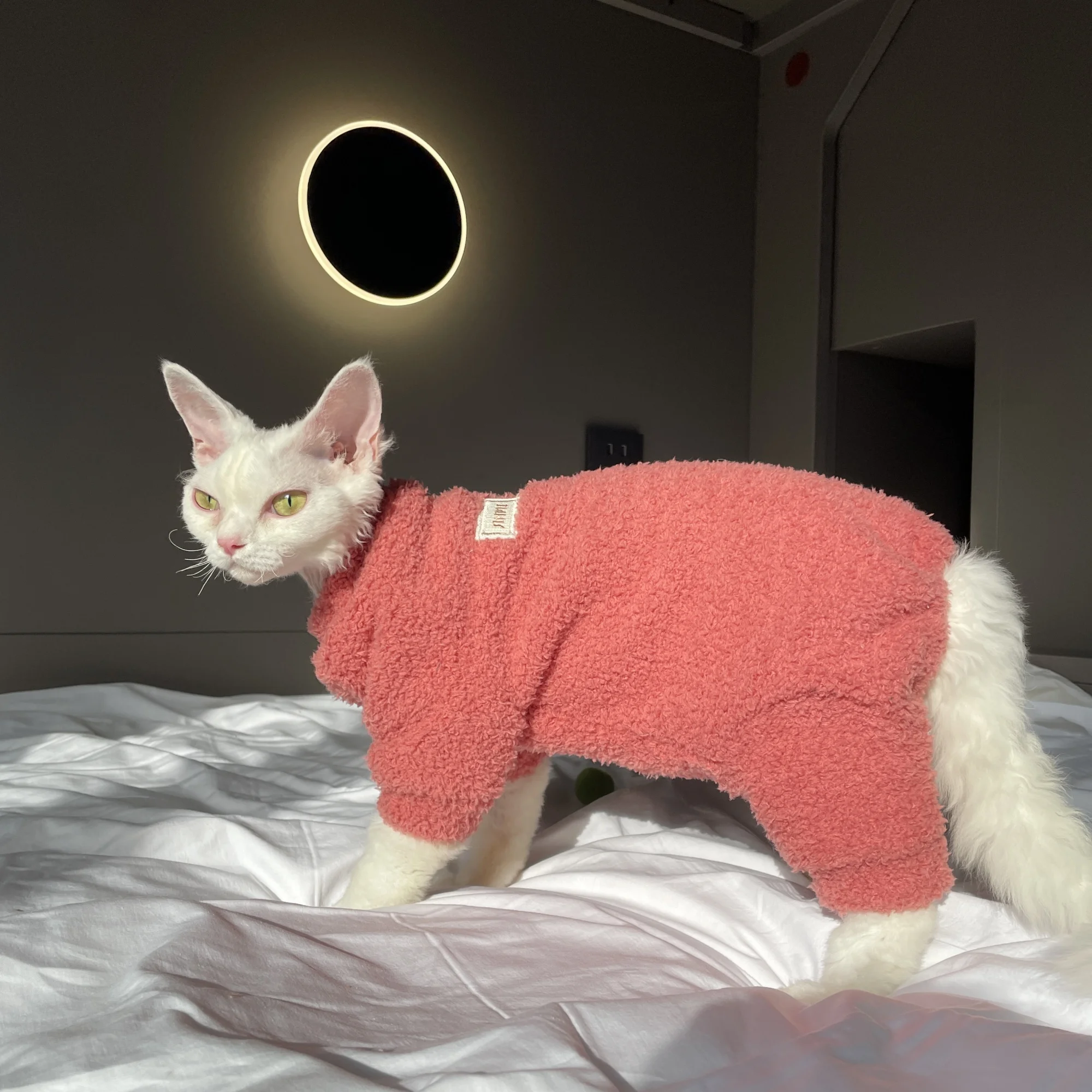
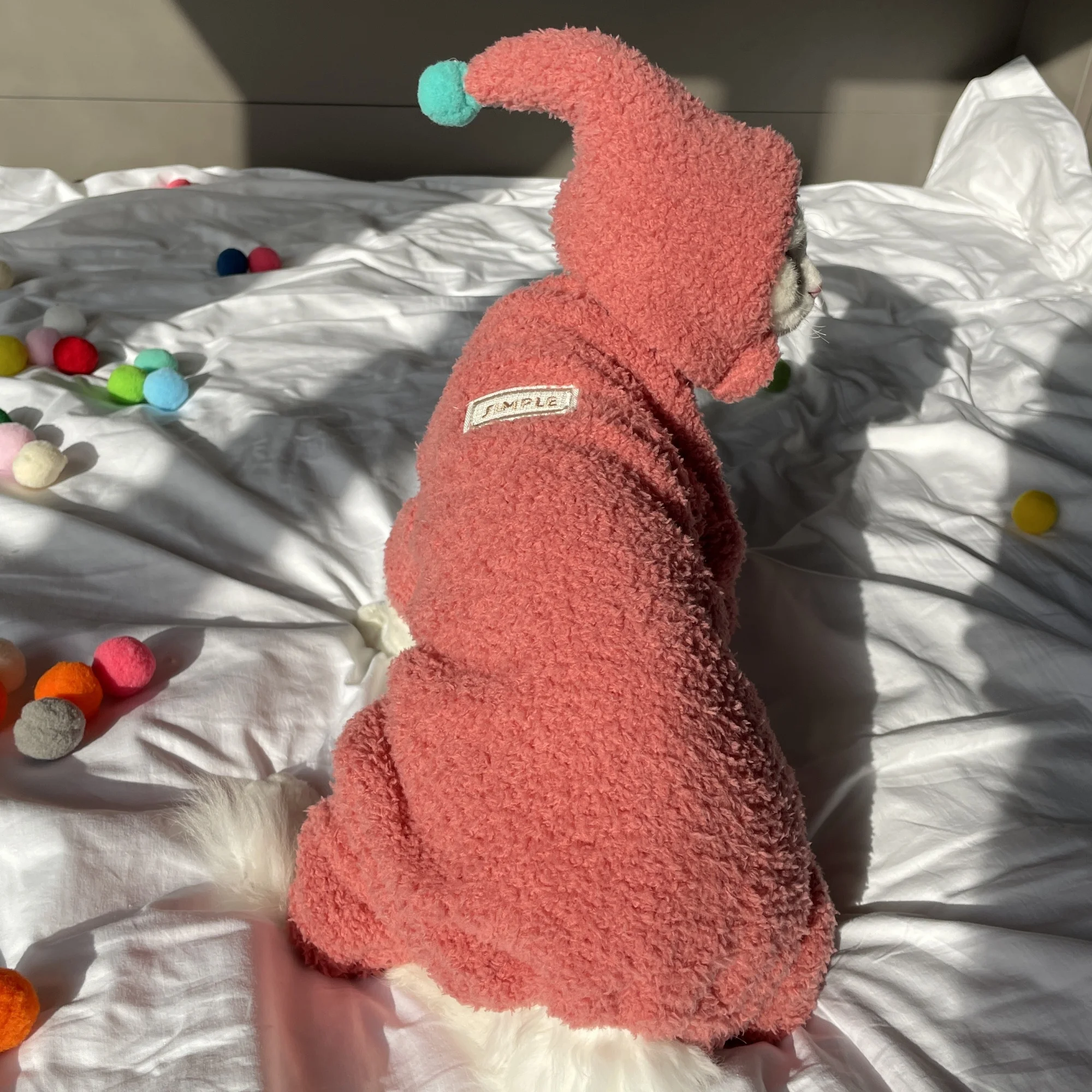
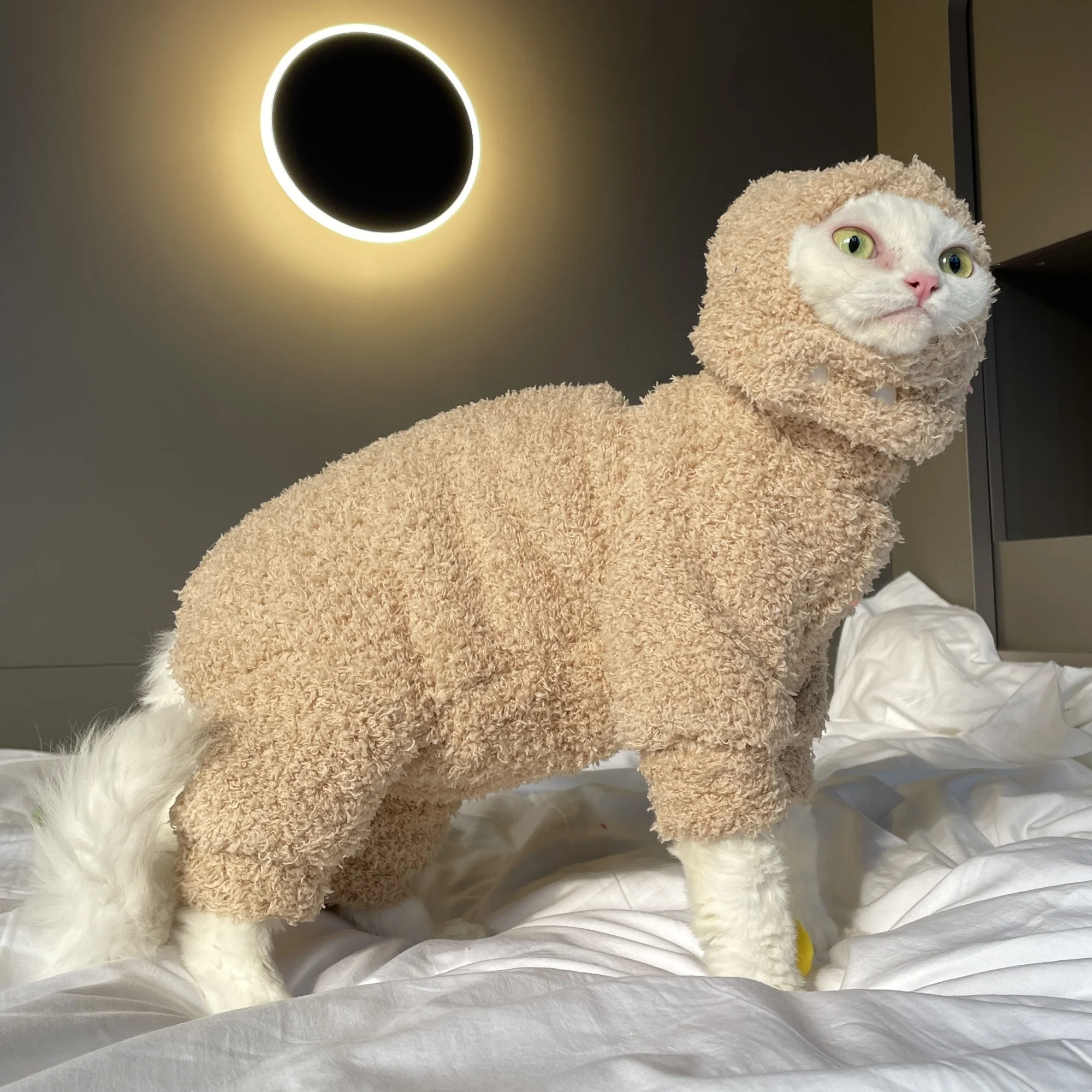
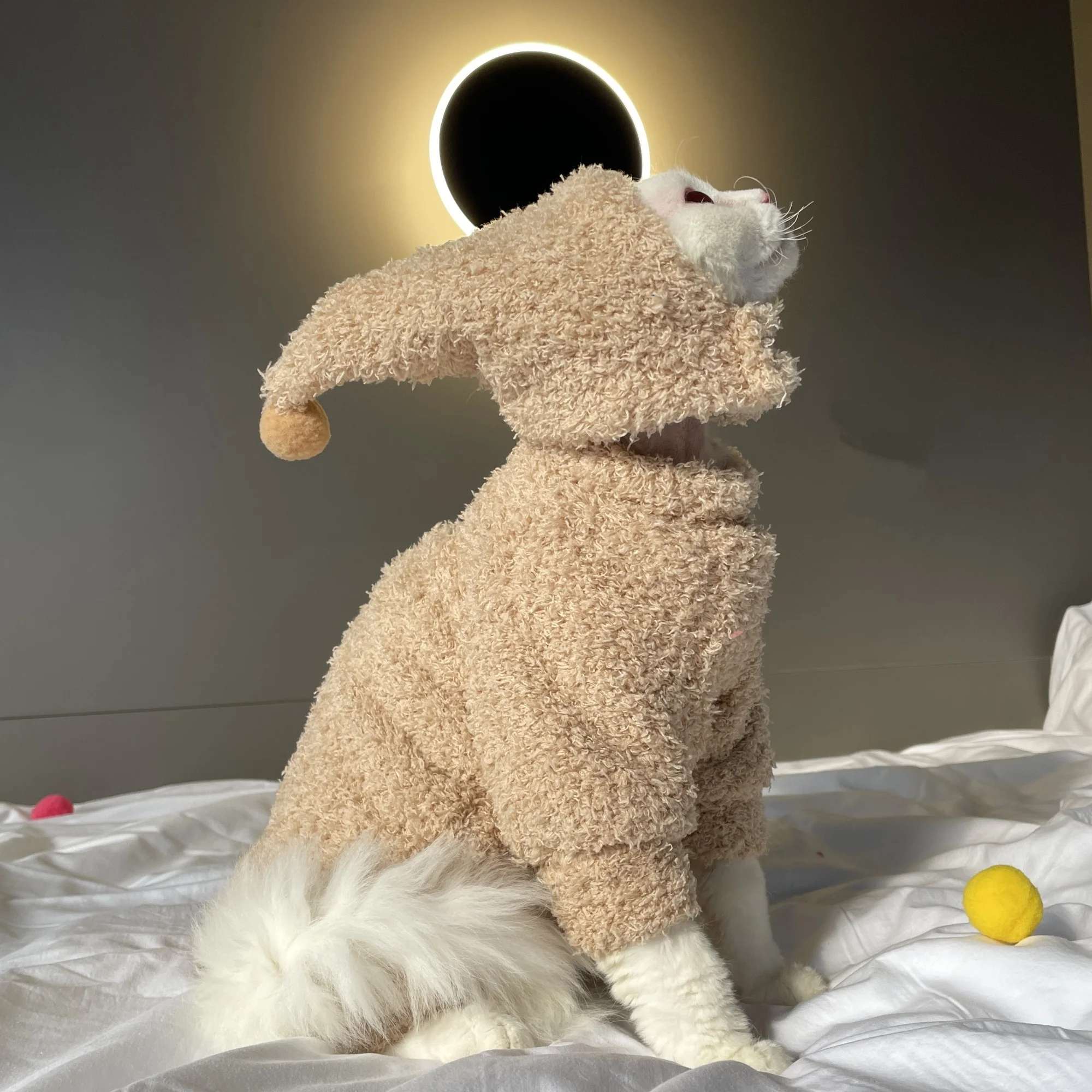
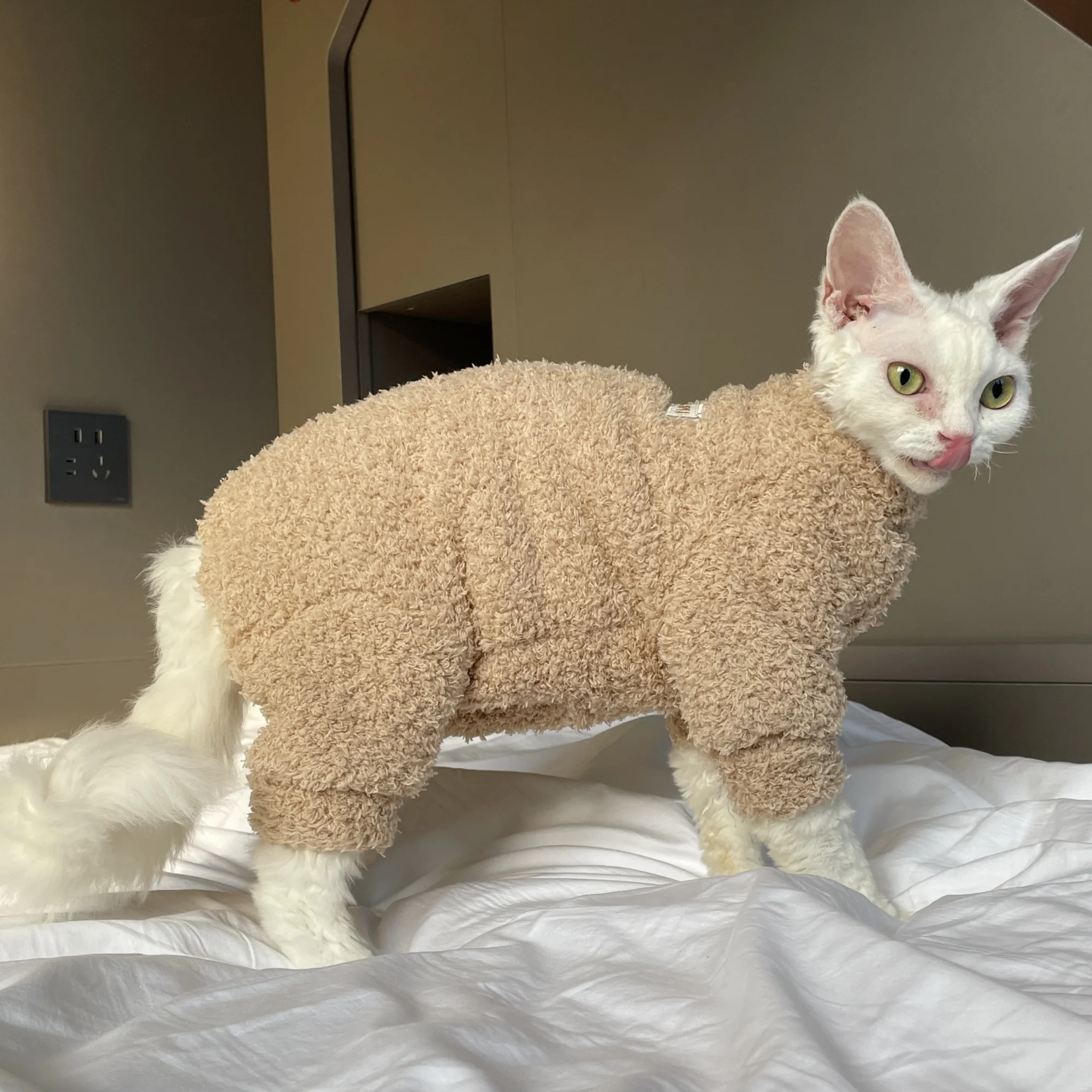
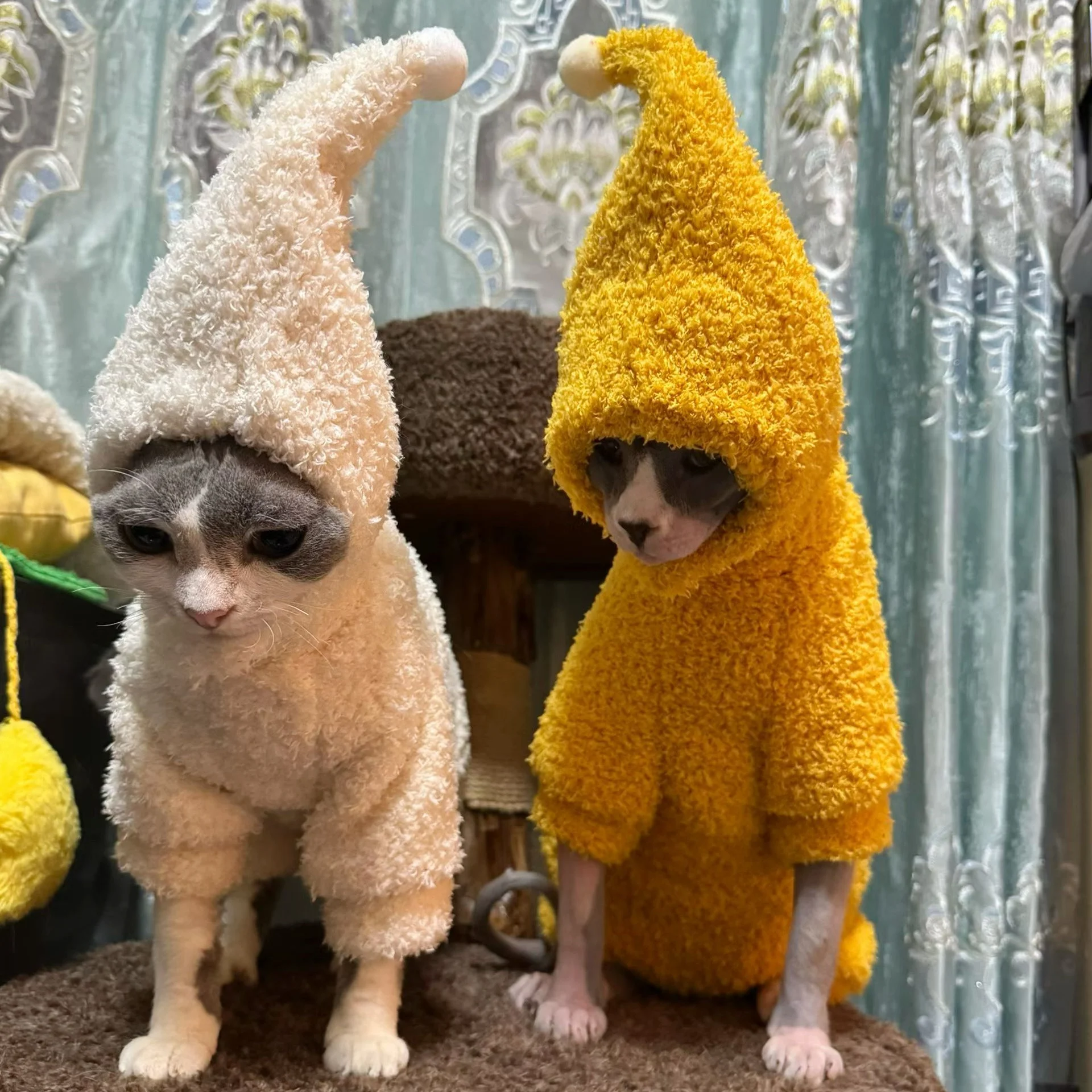
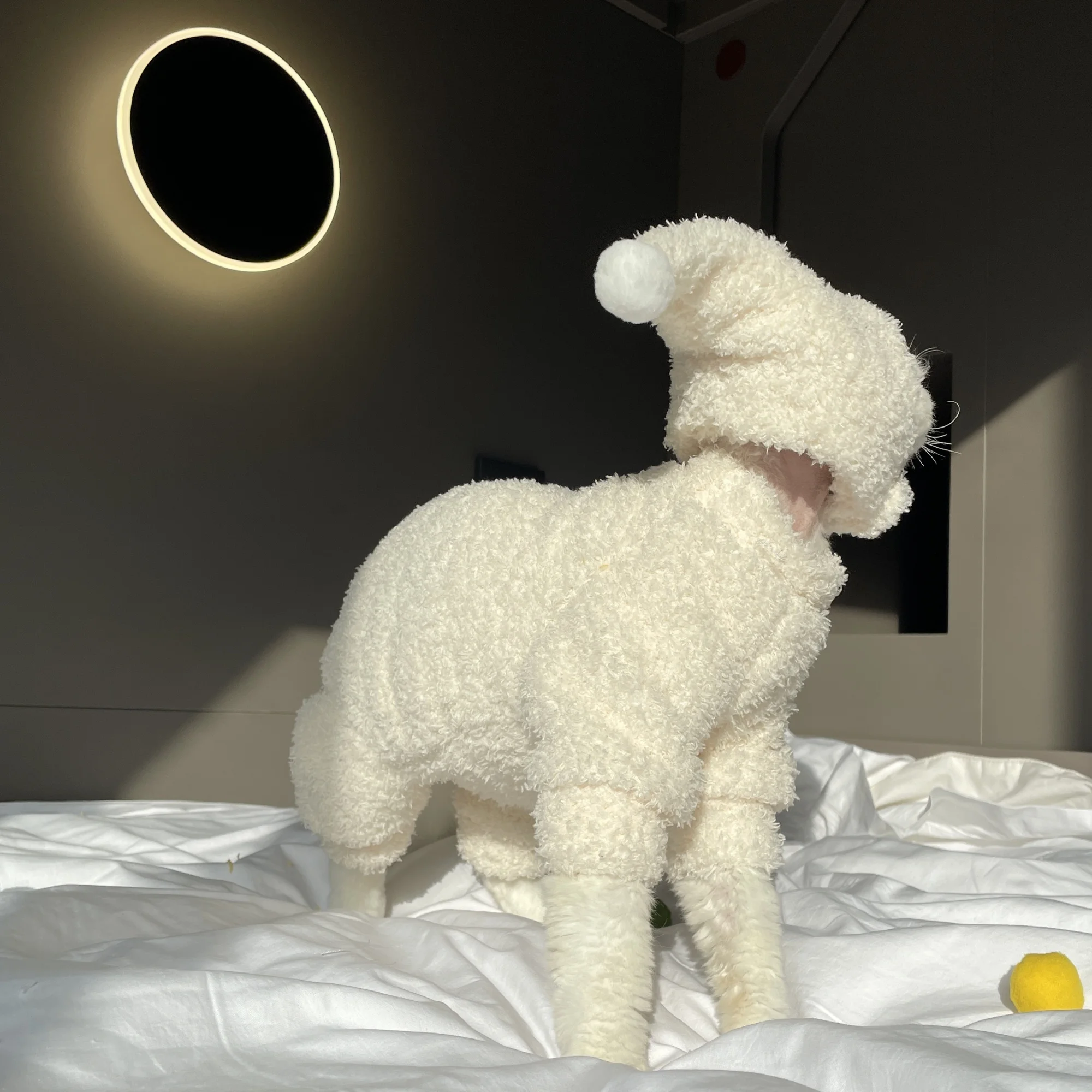
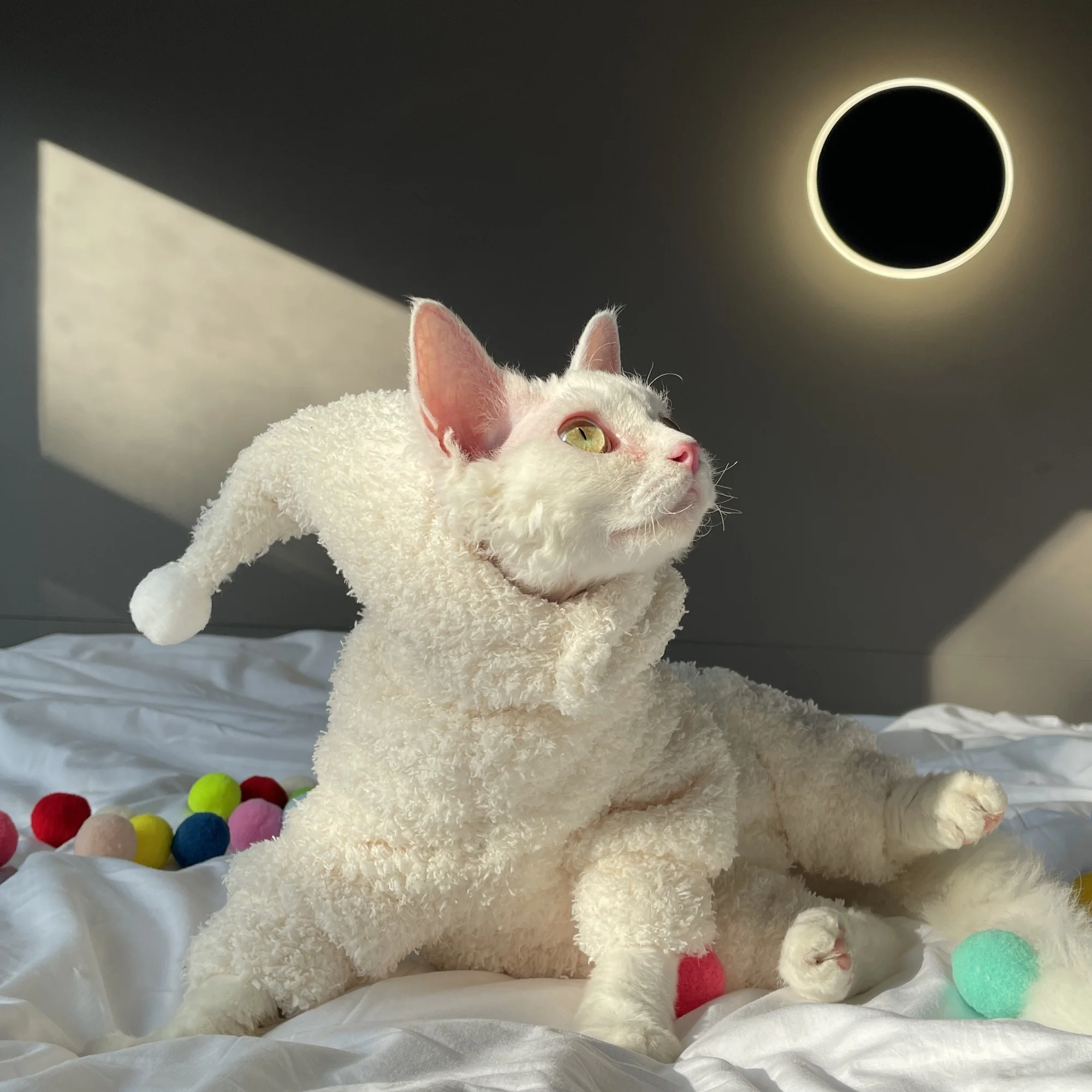
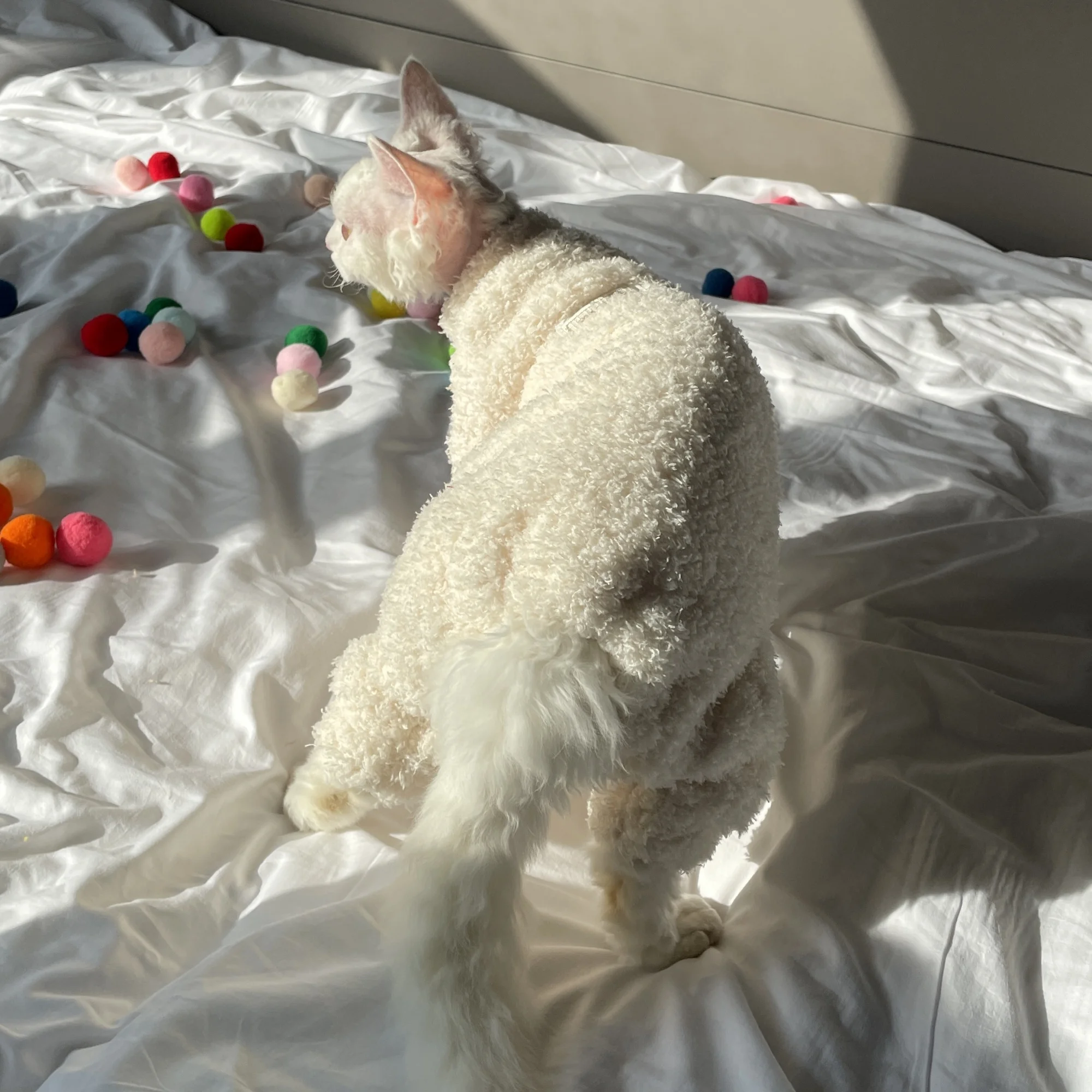
A cute pet outfit is only useful when its shape and size suit the cat wearing it. These fleece cat-clothing options include coat and suit variants, with a textured surface and a playful hooded look shown in the photographs. The measurement guide helps you compare neck, chest and back length instead of selecting solely by a general weight label.
Fleece is the listed fabric; a complete fibre percentage is not provided. The source offers white, khaki, red and yellow choices, with separate coat and suit labels. Those labels matter because the coverage and number of covered legs may differ. Choose the actual variant you want rather than assuming every colour includes both garments.
Measure your cat before ordering and prioritise unrestricted movement. A clothing item should not interfere with walking, grooming, breathing or toileting. Introduce it gradually under supervision and remove it if your cat shows discomfort. This is clothing, not a medical treatment or a promise of a particular body temperature. A cat that does not tolerate clothing may be better without it.
The supplied chart includes XS even though XS is not currently offered as a selectable size. Available labels run from S through 3XL with intermediate plus sizes. Weight ranges are secondary guidance rather than a replacement for the three body measurements. Compare the garment type and fit carefully before choosing, especially for a growing animal. The photographed pointed hood and four-leg outfit describe the pictured suit, not a guarantee that the separate coat options have identical coverage.
Details for your selection
Size guide neck/chest/back in cm, weight: XS 16/24/24, 1–1.5kg; S18/26/26, 1.5–2kg; S+18/28/28, 2–2.5kg; M18/30/30, 2.5–3kg; M+20/32/32, 3–3.5kg; L20/34/34, 3.5–4kg; L+22/36/36, 4–4.5kg; XL22/38/38, 4.5–5kg; XXL24/40/40, over5kg; XXXL27/43/41–42, over6kg.
Choose around your own pet's habits
The most useful pet accessory is one that suits the animal as well as the household. Introduce a new item gradually and watch how your pet responds instead of assuming that a photographed example predicts every reaction. Supervision gives you the opportunity to check comfort, positioning and the condition of the item before making it part of a regular routine.
Use the stated measurements and selected variant as your starting point, not a broad breed or age assumption. Inspect accessories regularly and stop using anything damaged or unsuitable for the way your pet interacts with it. Keep feeding, clothing and play choices separate from medical decisions. If a particular health need is involved, rely on veterinary guidance rather than an accessory description.


SHIPPING TIMES AND COSTS
- FREE SHIPPING within 1 to 7 business days
We ship worldwide FREE.
When placing order, PLEASE MAKE SURE YOU ENTER YOUR FULL SHIPPING ADDRESS INCLUDING HOUSE/FLAT/BUILDING NUMBER AND CITY. This will help us to fulfill your order quickly.
We can't do NEXT DAY or SAME DAY deliveries as its unrealistic for our supply channels and logistics.
Orders typically ship within 7 business days. Delivery times vary by region but generally range from 7 to 12 business days.
Sometimes deliveries could take up to 15 to 20 business days in case of civilian unrest/ war affecting supply routes.
Once your order is shipped, you’ll receive a tracking number via email to monitor your delivery status.


